Published May 5, 2026
Clawmeet in Colombo pointed to a more practical phase of Sri Lanka's AI agent conversation
The post-event picture from CAIC's Clawmeet meetup suggests growing local interest in using OpenClaw and agentic systems for real workflows, demos, and applied experimentation.
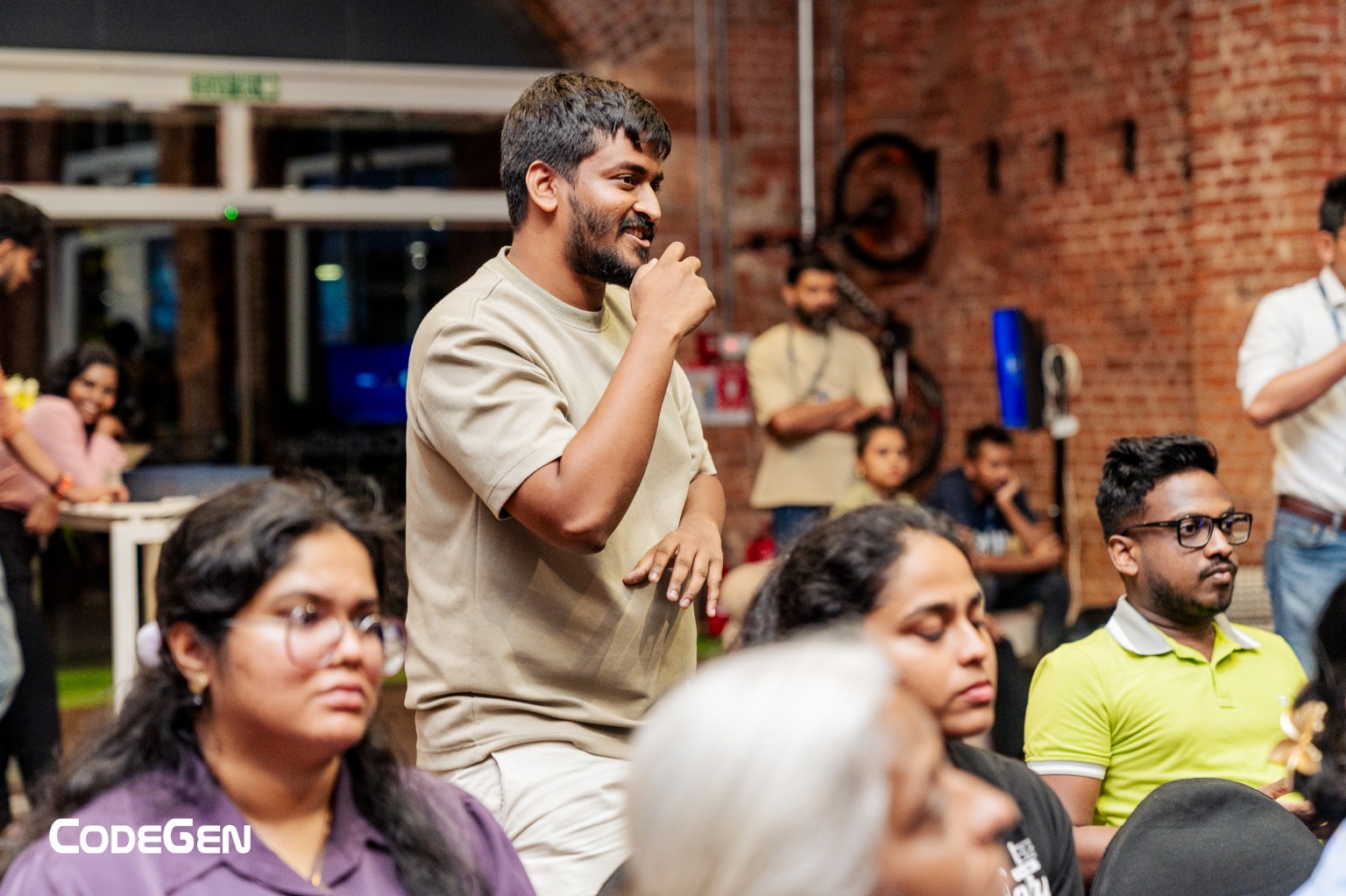
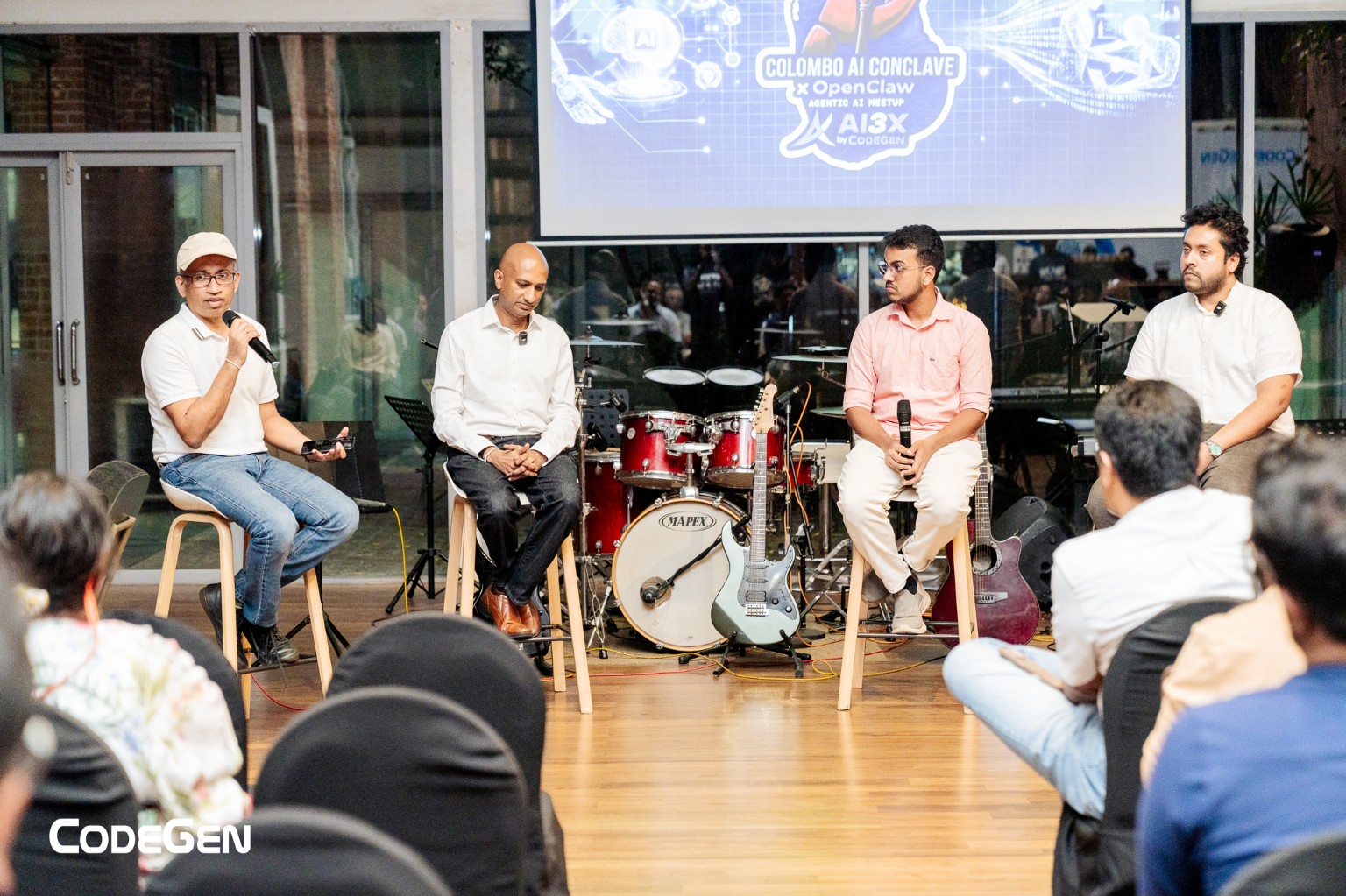
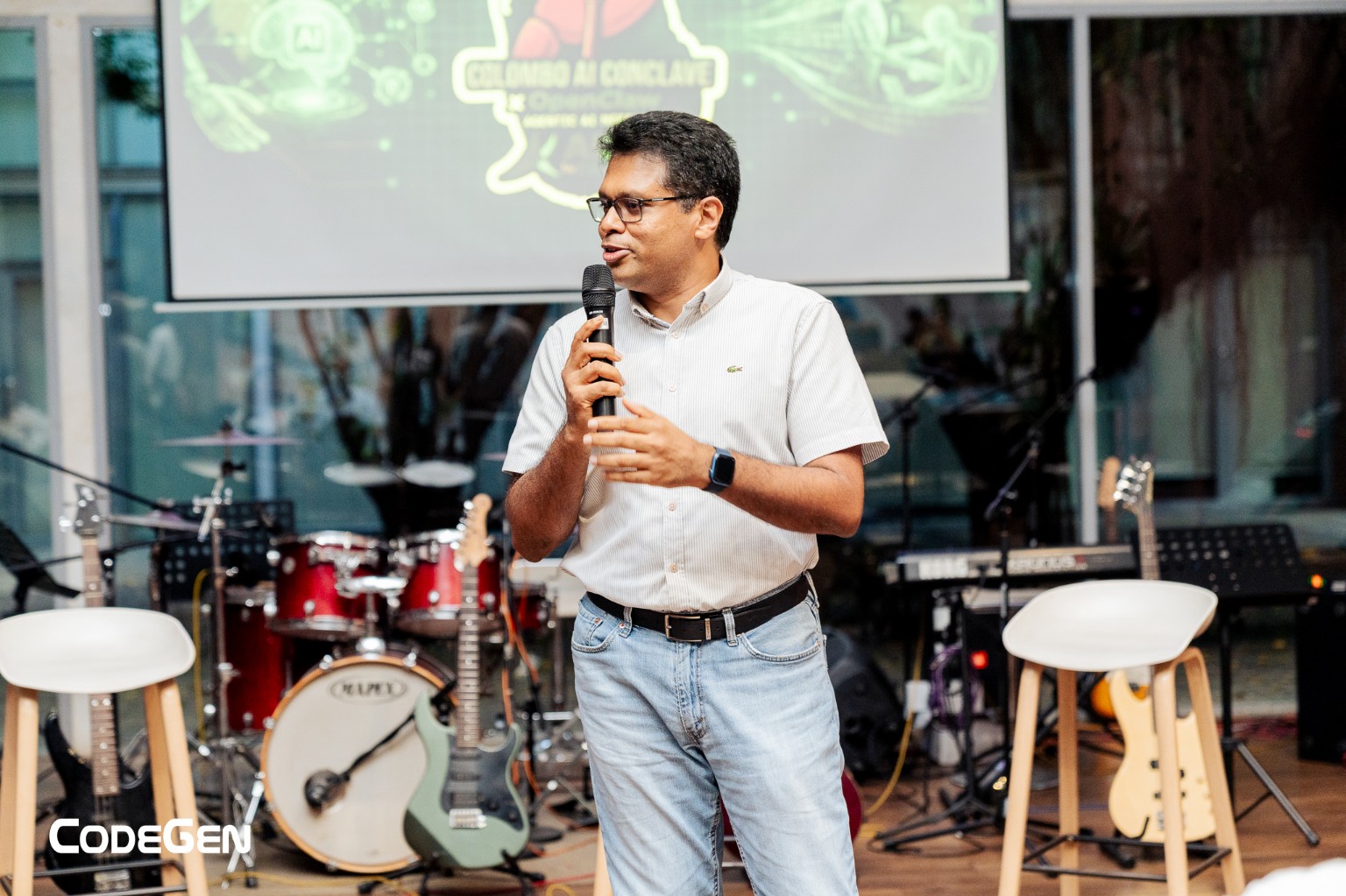
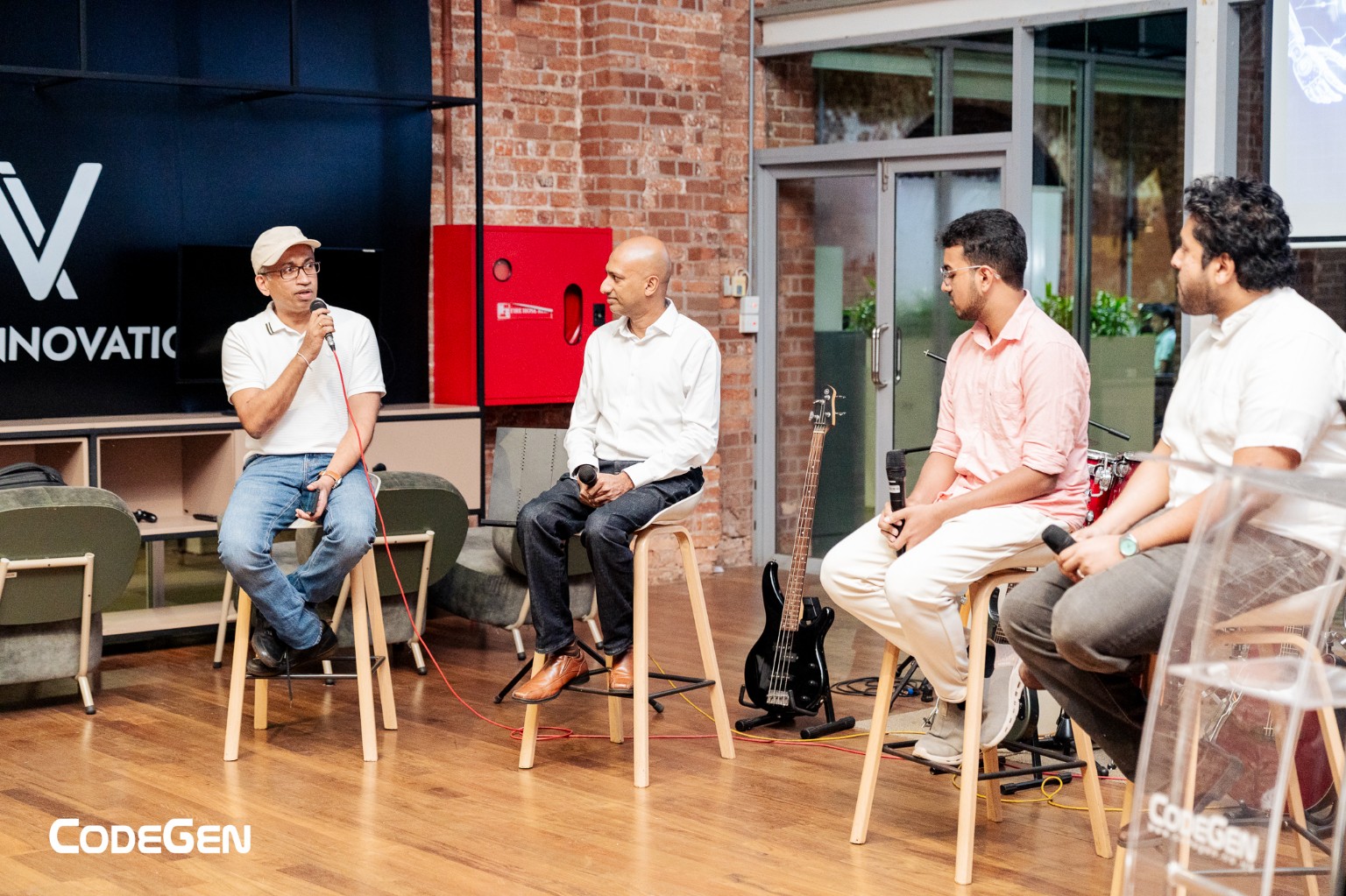
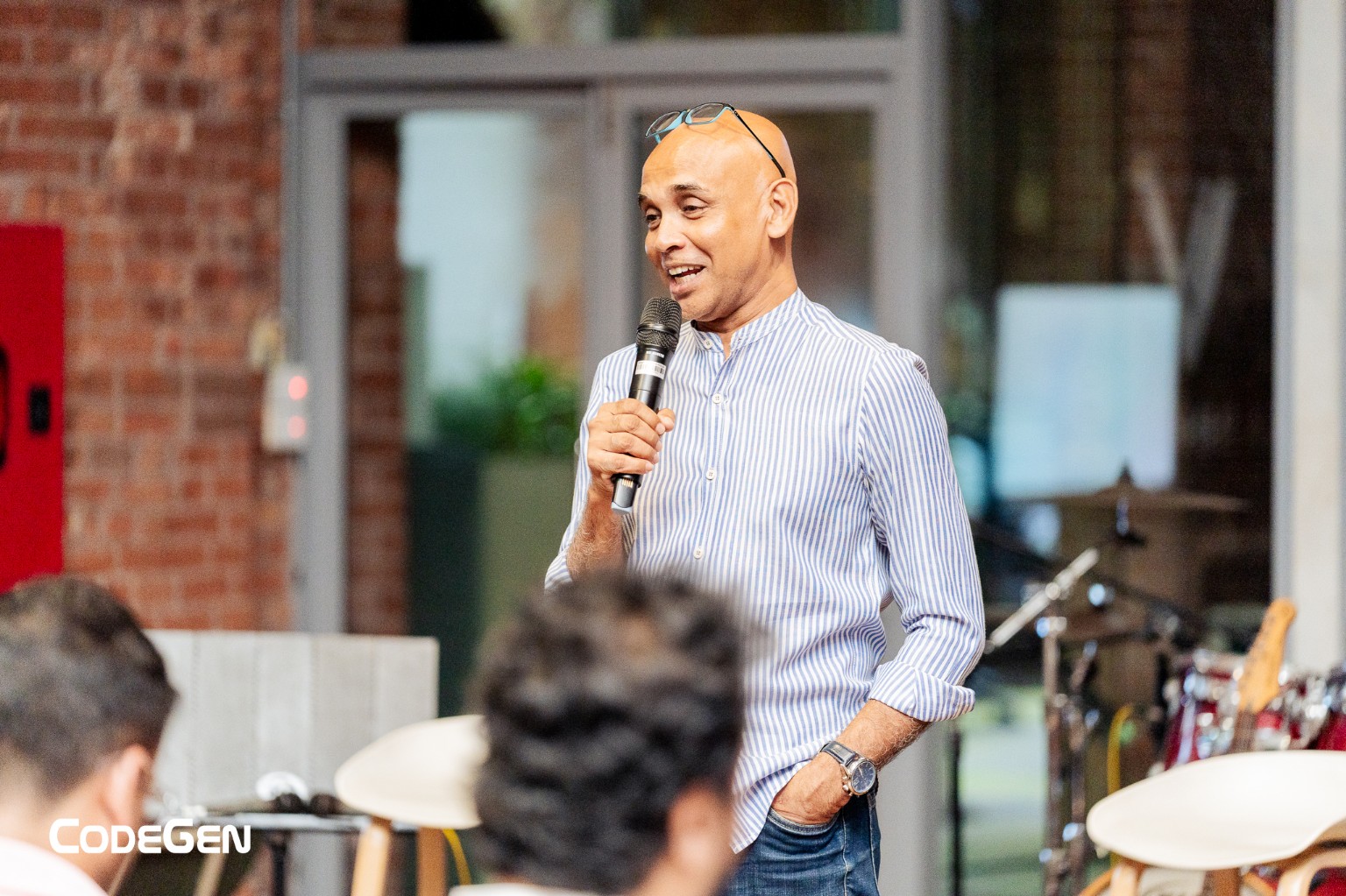
Clawmeet by Colombo AI Conclave explored the practical side of AI agents and workflow automation.
As conversations around AI agents continue to accelerate globally, Clawmeet by Colombo AI Conclave brought the discussion closer to implementation, experimentation, and real-world workflows. Held on 30 April at the CodeGen office at TRACE Expert City in Colombo, the meetup gathered students, engineers, founders, researchers, operators, and AI enthusiasts to explore how agent-based systems are beginning to move from concept into practice.
Rather than focusing purely on what AI may become in the future, many of the conversations throughout the evening centred on something more immediate: what builders, developers, and operators can already begin creating with the tools available today.
AI agents beyond experimentation
One of the central themes across the meetup was the growing interest in understanding how AI agents behave within real operating environments. Rather than presenting agentic AI as a fully mature ecosystem, speakers and participants openly discussed trade-offs, limitations, experimentation, and the complexity involved in deployment.
Nimantha Gunawardane's OpenClaw session explored several of these practical considerations, including model selection, reusable skills, cost management, safety layers, and the decision-making process between browser automation and API-driven approaches. Audience questions quickly moved beyond introductory curiosity into more practical discussion around implementation, testing environments, and workflow integration.
That tone appears to have landed in the room. At one point, Nimantha's session ran past time and organisers chose to let it continue rather than cut it short, after seeing that audience engagement was still strong.
Connecting AI agents to real workflows
Another notable session came from Rukmal de Silva of 361 Training, whose demonstration explored how OpenClaw-style orchestration could automate parts of a city-scale scavenger hunt experience. The workflow showed how participant submissions could be validated automatically before triggering the release of the next stage of the challenge.
While the use case itself remained accessible, it pointed to a broader theme that surfaced repeatedly throughout the meetup: AI agents become significantly more useful when connected to structured workflows, operational processes, and real constraints.
The meetup also brought together members of Sri Lanka's growing AI and startup ecosystem, including Dasun Athukorala of AI3X Technologies and Dulith Herath of Kapruka, alongside community builders and independent practitioners experimenting in the space. One participant reflection shared after the event described the meetup as a place where ideas around research workflows, agent memory, and practical use cases became more concrete through direct discussion.
Conversations beyond the stage
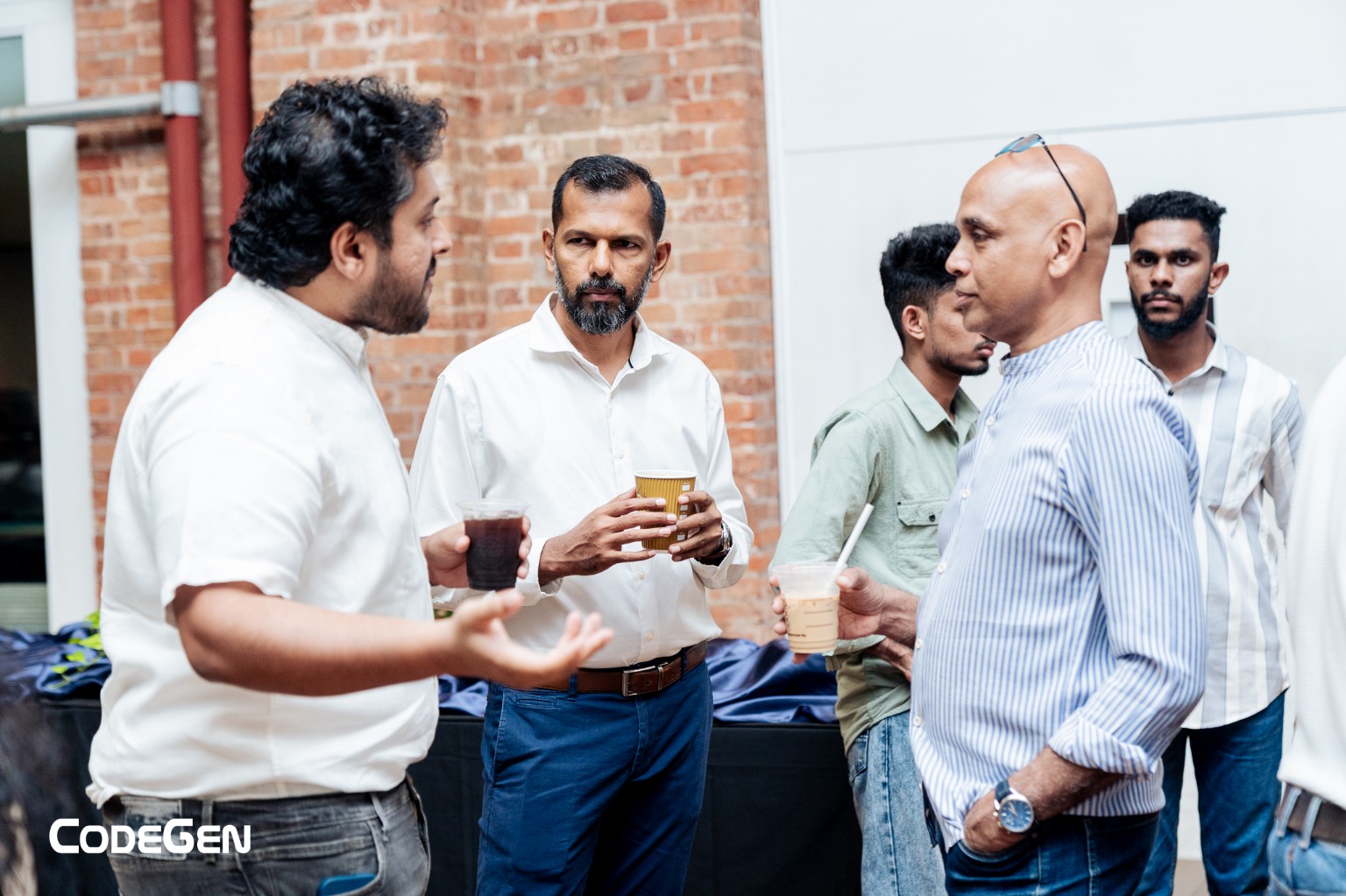
As the formal sessions came to a close, the atmosphere shifted into smaller discussions around demos, tools, research environments, and implementation ideas. Groups formed naturally around laptops and side conversations continued well beyond the scheduled programme.
That appears to have been one of the clearest signs that the meetup connected. After the panel discussion ended, organisers let the networking continue rather than force the room back into a stricter event structure. The result was a longer stretch of conversation, with people continuing to talk and connect late into the evening.
A separate attendee reflection shared after the meetup framed the night more bluntly: the gap is no longer awareness, but action. That reaction captured something the event seems to have surfaced repeatedly. For many in the room, the question was no longer whether AI agents matter in theory, but what it takes to start building with them in practice.
Sri Lanka's AI ecosystem remains early in its exploration of agentic systems at scale, but Clawmeet reflected a growing appetite for practical experimentation, workflow thinking, and applied discussion around AI tools.